Why the Perfect Reply Arrives Too Late
A tense conversation can consume the working memory you need to find words. The useful reply often appears once the social threat is gone.
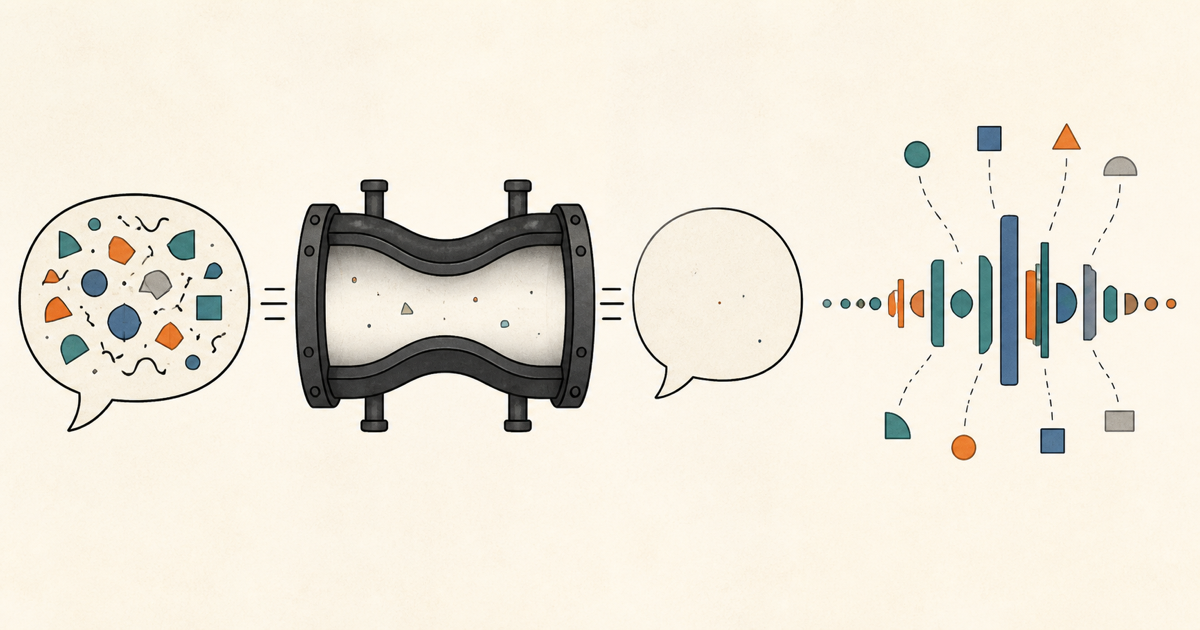
The perfect reply often arrives late because the conversation used the mental capacity required to produce it. You were tracking tone, danger, status, the other person’s reaction, your own emotion, and the words already leaving your mouth.
Research on social evaluative threat found that being judged by others can impair working memory. A 2025 study also found that acute stress affects working-memory processing over time. When the conversation ends, some of that load drops. The missing sentence finally has room to form.
The late reply is usually doing one of four jobs
Before you send anything, identify the job.
1. Adding a fact
“I said the deadline changed once. I checked, and it changed three times.”
This can improve the conversation because it corrects the record.
2. Making a request
“I realized what I needed to ask: please tell me before you volunteer my time.”
This gives the other person something they can act on.
3. Setting a boundary
“I was too overwhelmed to say it clearly. I will not discuss this while I am being shouted at.”
This clarifies what you will do next time.
4. Winning the scene
“Here is the devastating line that proves you are a hypocrite.”
This may feel satisfying in private. Sending it often starts a second argument about the line instead of resolving the first issue.
The late reply is worth using when it improves accuracy, action, or repair. Cleverness alone is not enough.
Preserve the thought before deciding
Make a two-minute voice note as soon as you are alone:
“What I wish I had said is ____. The job of that sentence is ____. If I send it, I want the result to be ____.”
Do not send from the recording screen.
This separates retrieval from delivery. Your brain gets to finish the thought without making the other person receive the first hot version. A post-conversation debrief is especially useful when you cannot tell whether you need repair or revenge.
Use a return line during the conversation
You do not need to generate a polished response while flooded. You need a sentence that protects time.
Try:
- “I know this matters, and I cannot answer clearly yet.”
- “I want to come back to this after I have thought.”
- “I am losing the thread. The topic I need to return to is ___.”
- “I need twenty minutes. I will check back at 7:30.”
Include a return time when possible. “I need space” can sound like escape. “I need thirty minutes and will come back” preserves the relationship and your thinking time.
If this freeze also happens with messages, the mechanics may be slightly different. Read why you freeze before replying to texts for the ambiguity and permanence problems that show up in writing.
Do not grade your live performance
Post-conversation rumination often treats the interaction like a recorded debate:
“I should have caught that contradiction.”
“I sounded weak.”
“If I had said the right thing, they would understand.”
Real conversations are not scored for completeness. People pause, return, clarify, and change their minds. The belief that one sentence would have controlled the entire outcome gives language more power than it had.
Use the difference between debriefing and replaying to stop after you have recovered the useful information.
A filter for the follow-up message
Wait until your body is calmer, then ask:
- Is this accurate?
- Is it necessary?
- Does it tell them what I need now?
- Would I stand by the tone tomorrow?
If yes, send a short follow-up:
“I thought of the clearer version after we stopped talking. My concern is ____. What I am asking for is ____.”
If no, keep the entry as evidence about the situation. The reply still helped. It showed you the point you could not reach under pressure, and it can help you prepare for the next conversation.
Questions people ask
Why do I think of the perfect response after the conversation?
Social pressure and stress can occupy working memory during the conversation. Once the threat passes, word retrieval and perspective often improve.
What should I do when I cannot think during an argument?
Name that you need time, preserve the main topic in a few words, and agree on when you will return to the conversation.
Should I send the reply I thought of later?
Send it only if it adds a useful fact, request, boundary, or repair. A clever comeback that only reopens the fight is usually better kept private.