Why Do I Speak Before I Think? (What Helps)
Some people finish forming a thought by hearing themselves say it. Learn why it happens and how to add a pause without losing your train of thought.
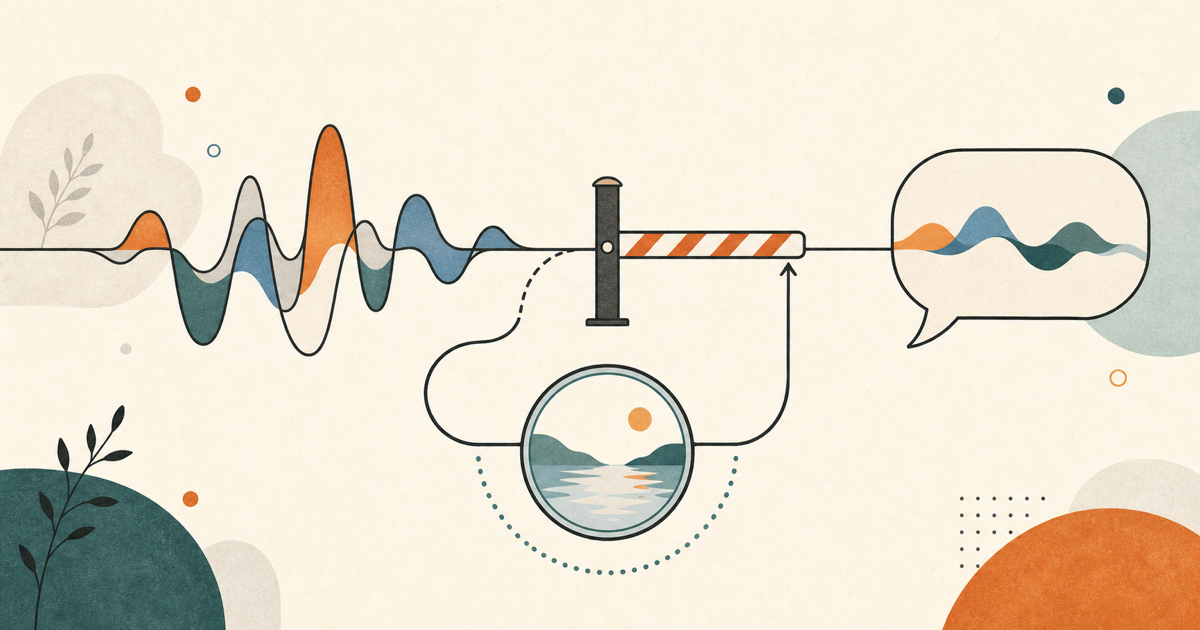
You may speak before you think because speaking is part of how you think. For a verbal processor, the sentence does not always arrive fully assembled and wait for permission. The act of saying it helps organize it.
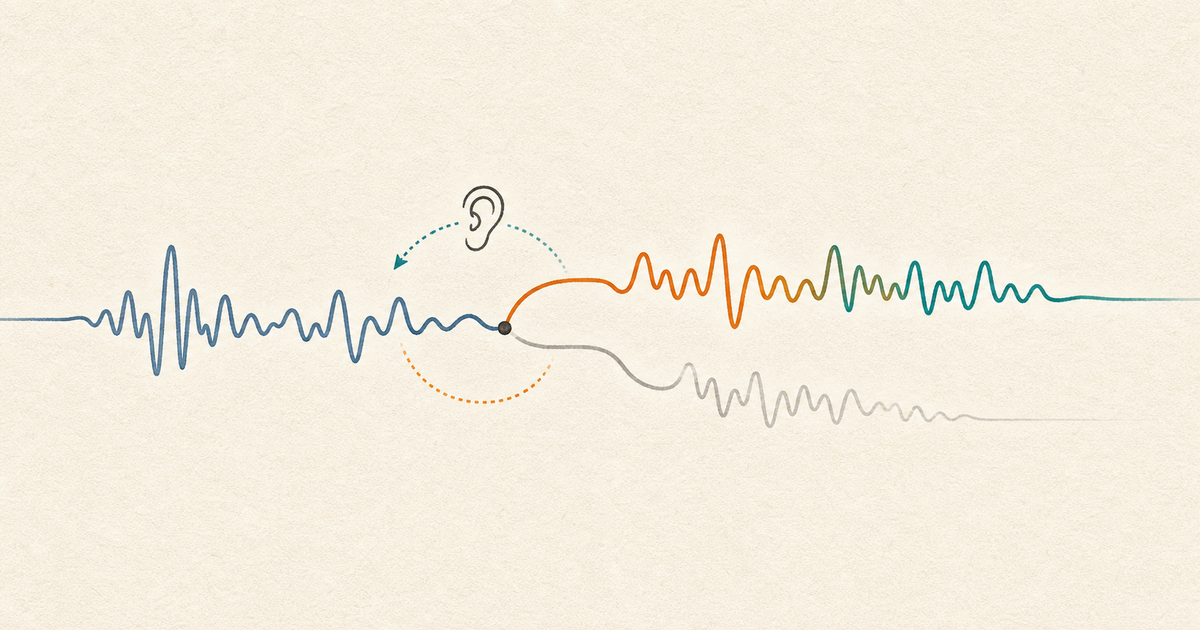
That does not excuse hurtful or careless speech. It does explain why the usual advice to “finish thinking first” can feel impossible. Speech production happens in stages, and research on speech self-monitoring describes both an internal loop that checks the developing speech plan and an external loop that checks what you hear yourself say. A broader review of inner speech also connects verbal thinking with self-regulation, working memory, and speech monitoring. Sometimes the external loop catches the problem after the sentence has started.
What speaking before thinking can mean
People use this phrase for several different experiences:
- Verbal processing: You discover the thought while explaining it.
- Fast conversational timing: You start speaking because the gap feels socially risky.
- High emotion: Excitement, anger, or anxiety reduces the attention available for monitoring.
- Impulsivity: You act on the urge to speak before weighing the likely effect.
- Unclear intent: You know the subject but have not decided what you want the sentence to accomplish.
Only the first one is a thinking style. The others are context, regulation, or communication problems. More than one can be present at once.
If you regularly revise yourself halfway through a sentence, say “that came out wrong,” or understand your own opinion better after a conversation, read the guide to verbal processing. If you know exactly what you mean but cannot hold back a cutting comment, the useful work is different.
Your mouth is sometimes the draft
A written thinker can edit before anyone sees the sentence. A verbal processor often hears the rough draft at the same time as everyone else.
That creates a predictable problem: the listener receives version one, but you experience the clarification that happens in versions two and three. You may feel you corrected the thought. They may still be reacting to the first sentence.
Try labeling the draft before it leaves your mouth:
- “I have a rough thought. Let me say it once and fix it.”
- “I know the point, but I do not have the wording yet.”
- “Can I think out loud for thirty seconds?”
- “My first reaction is not my final answer.”
These phrases give the listener the right contract. They also force you to notice whether the moment is suitable for live processing.
Use a headline before the explanation
When stakes are high, lead with the part you are already sure about.
Instead of:
“You always change the plan and I guess I am just supposed to deal with it, although maybe that is not fair because last time was different…”
Try:
“The main point is that I need earlier notice. I am still sorting out why this bothered me so much.”
The headline protects the conversation while the rest of your thought catches up. This works in meetings, arguments, interviews, and medical appointments. It also helps people who write more clearly than they speak because it reduces the number of ideas competing for the same sentence.
Add a pause that does not erase the thought
“Just pause” is poor advice when pausing makes the whole sentence disappear. Give the thought somewhere to wait.
Use this three-part sequence:
- Say the topic in three words: “Budget concern. One second.”
- Take one slow breath.
- Ask what result you want: clarity, a decision, reassurance, repair, or release.
The three-word label keeps the thread available. The goal question changes the job from “say everything” to “say what this moment needs.”
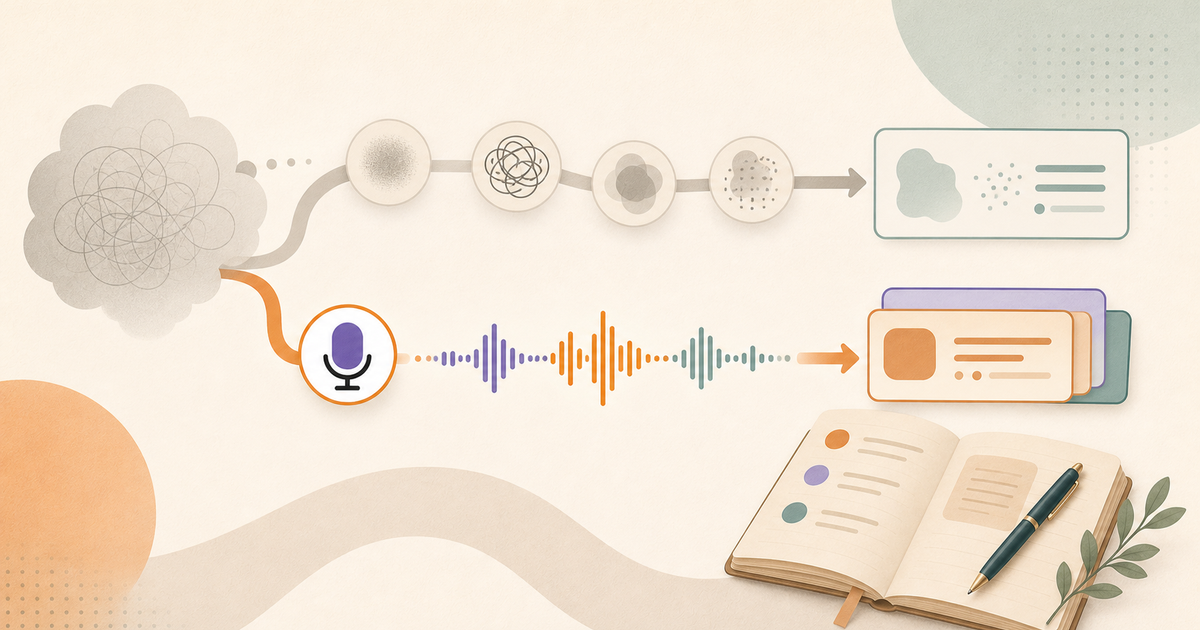
For a message, email, or difficult request, make a private spoken first draft before the other person becomes your processing space. Listen once for the sentence you actually mean, then send that sentence.
Separate processing from accountability
Being a verbal processor explains the route your thought took. It does not determine what happens next.
If something lands badly, skip “I was just thinking out loud.” Say:
“I heard the problem after I said it. The accurate version is ____. I am sorry you had to receive the rough draft.”
That repair is specific. It acknowledges both your process and the other person’s experience.
A better rule than “think before you speak”
Use three rules:
- Low stakes: Think out loud freely.
- Shared stakes: Ask permission to process aloud.
- High stakes: Draft privately, then speak the clean version.
This is the practical correction to the myth that everyone should think silently before speaking. You do not need to become a different kind of thinker. You need a boundary between discovery and delivery.
Try it once today
Choose one conversation where you usually get ahead of yourself. Before it starts, record:
“The headline is ____. The part I am still working out is ____. What I want from this conversation is ____.”
That 30-second note gives your thought a first audience. When the real conversation begins, you are no longer asking another person to hear every draft.
Questions people ask
Why do I speak before I think?
You may be a verbal processor who finishes organizing thoughts through speech. Speaking also moves quickly enough that self-monitoring can lag behind what you have already started saying.
Is speaking before thinking a sign of ADHD?
It can occur with ADHD impulsivity, but it also happens in people without ADHD. Verbal processing, stress, excitement, and conversational pressure can all contribute.
How can I stop blurting out thoughts?
Use a short buffer phrase, state the headline before the explanation, and privately record high-stakes thoughts before saying or sending them.