Why Do I Keep Correcting Myself When I Talk?
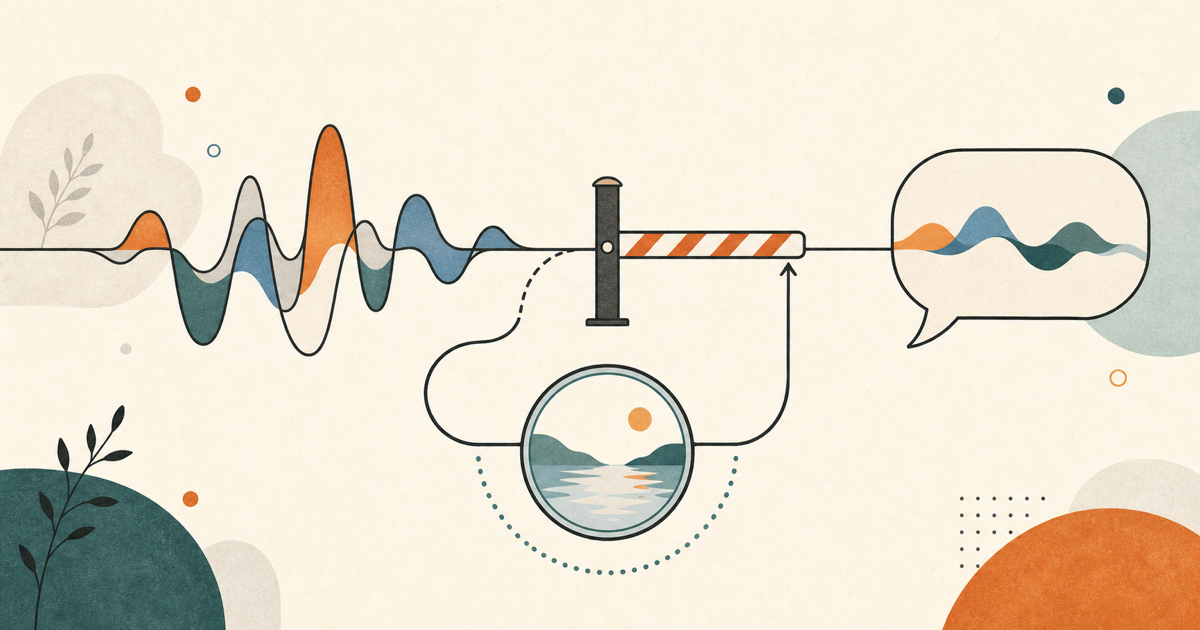
Self-correction means your speech monitor caught a mismatch while you were talking. The type of repair tells you what changed.
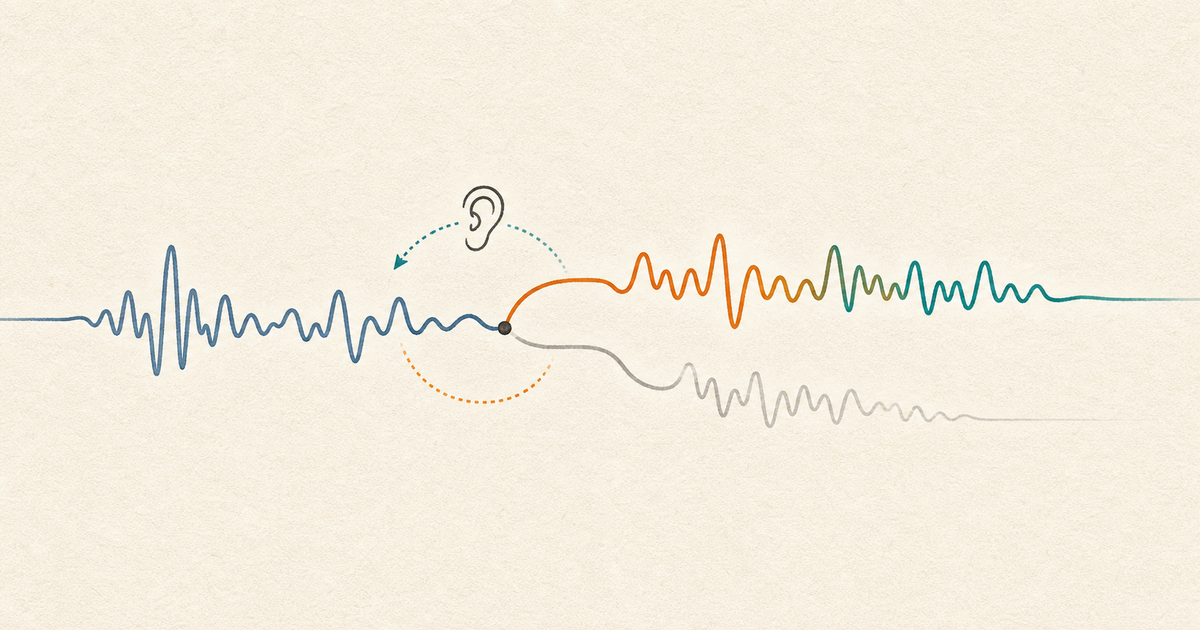
You keep correcting yourself because speaking and monitoring happen at the same time. Your mouth can start a sentence before the full idea is planned, and your monitoring system interrupts when it detects a mismatch.
That process is called self-repair. It is common in spontaneous speech. The useful clue is not the number of corrections by itself, but what each correction changes: a fact, a level of precision, a social risk, or the direction of the thought.
Speech is assembled while it is leaving you
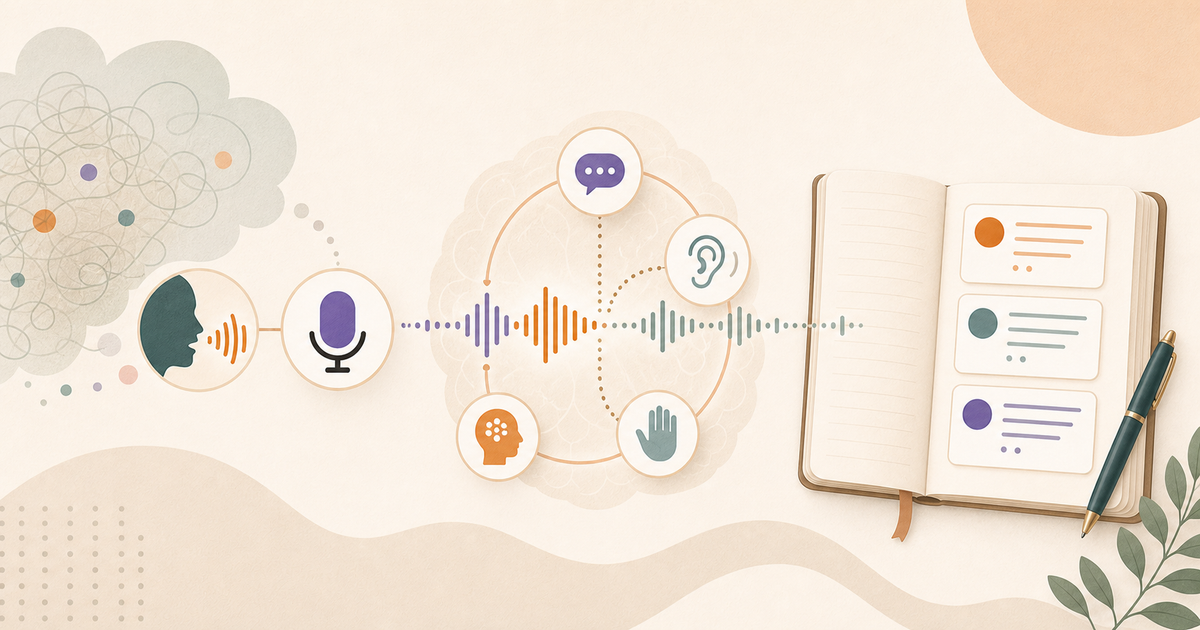
Conversation does not give you an editing screen. You plan a phrase, say it, hear it, watch the listener, and prepare the next phrase under time pressure.
Researchers have studied the timing of this process in natural speech. One analysis of 1,525 repairs examined where speakers stopped and how quickly they began correcting errors. The timing supported a monitoring process that can catch trouble before or just after the wrong material is spoken.
Listeners are part of the system too. Experiments show that people use disfluencies to anticipate an upcoming repair. A phrase such as “Turn left at, uh, I mean right” briefly tells the listener that the first plan is being replaced, so ordinary conversation carries some of its edit history in the open.
Four kinds of correction sound similar
A filler doesn’t always announce a correction. Research on why people say “um” shows that listeners can also use it to anticipate new information while the speaker plans what comes next.
The restart matters more when you identify its job.
A factual repair
“We met Tuesday, sorry, Wednesday.”
The monitor caught an incorrect detail. This is the simplest kind of repair.
A precision repair
“I was annoyed, actually I felt dismissed.”
The first word was not false, but the second word carries more information. This kind of correction is valuable in a journal because the replacement often names the sharper idea.
A direction change
“What I need from you is, wait, the bigger issue is what happens next.”
The sentence changed because the thought changed. Thinking out loud can produce an idea that was not available when the sentence began.
A social edit
“That was careless, I mean, I did not understand the decision.”
Here the speaker may be reducing conflict, choosing a fairer claim, or hiding a stronger reaction. The repair alone cannot tell you which explanation is true.
Do not treat every correction as a confession
People sometimes assume the first phrase is the honest one and the repair is censorship. That is too simple.
The first phrase can be inaccurate, habitual, exaggerated, or poorly aimed. The corrected phrase can be clearer. It can also be safer but less honest. You need context to tell the difference.
This is the same boundary that applies when asking whether AI can read emotion from voice. A pause or restart is evidence that processing occurred. It does not reveal one hidden motive.
Use the repair footprint
Record a two-minute answer to one question, then read the transcript. Mark every place you restarted, replaced a word, or said “I mean.”
Label each repair:
- F: corrected a fact
- P: made the idea more precise
- D: changed direction
- S: adjusted for another person’s reaction
Then ask one question: which label repeats?
If most repairs are factual, you may be speaking faster than you can retrieve details. If they are precision repairs, your first draft may be broad and your second draft useful. If they are social edits, compare what you say alone with what you say around a particular person.
Someone who often speaks before finishing the thought can use this map without trying to eliminate spontaneous speech. The goal is to notice where the first pass tends to drift.
When the monitor takes over
Self-repair helps communication until every sentence becomes a live copyediting session. If you repeatedly restart to make harmless wording perfect, try a one-pass rule during private voice notes: finish the sentence, pause, then add a clarification.
That format preserves both versions without trapping you between them. It also makes a later transcript easier to interpret.
Your corrections are not verbal debris. They show where meaning changed while it was being built. Keep the ones that improve the thought, and stop demanding that spontaneous speech arrive pre-edited.
Questions people ask
Why do I correct myself so much when speaking?
Speaking is planned in increments. You can begin a sentence before the rest is fully formed, then interrupt when your monitoring system catches an error, a vague word, or a change in what you mean.
Does self-correcting mean I am a bad speaker?
No. Repairs are a normal part of spontaneous speech. The useful question is whether the correction improves meaning or whether repeated polishing is keeping you from finishing the thought.
How can I learn from my speech corrections?
Review a short transcript and mark what each correction changed: fact, precision, tone, or direction. Repeated repair types reveal where your first wording tends to miss your intended meaning.