When Talking It Through Can Distort Memory
Words can clarify an event, but they can also overwrite parts of it. For fresh memories, facts first and polished story second.

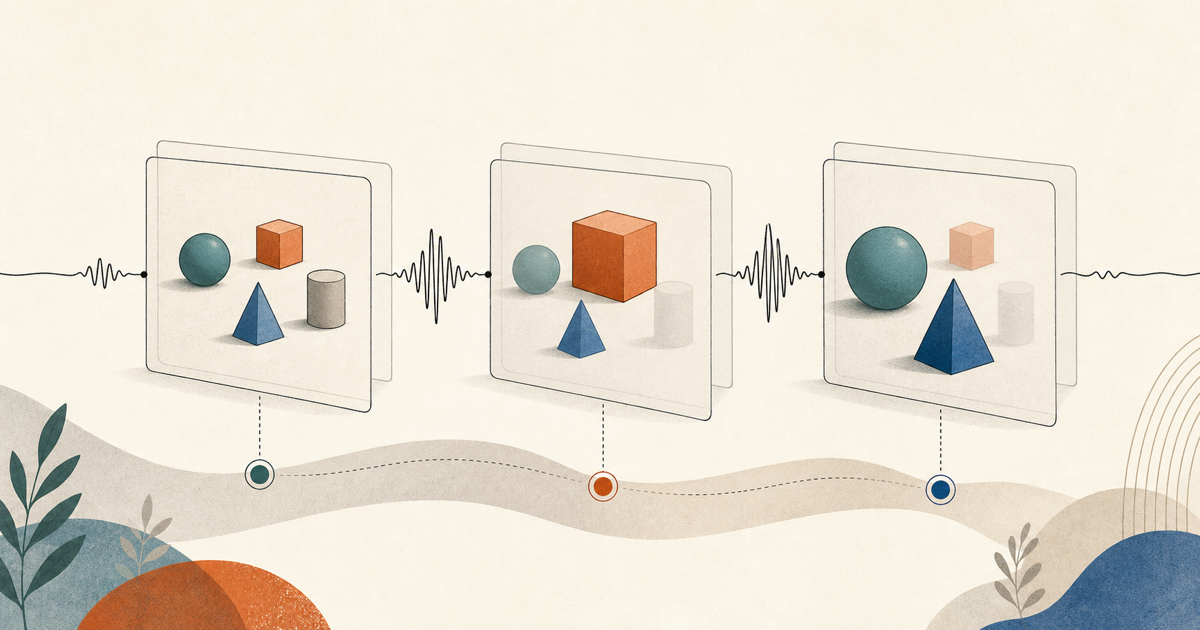
Talking it through can help you process an event, but it can also distort memory. The risk is highest when the original experience is messy, visual, emotional, or hard to describe precisely and your later words become cleaner than the event itself.
This is not a reason to stay silent. It is a reason to capture the first version carefully before the polished version becomes easier to remember.
Words do not only preserve, they reshape
The classic verbal overshadowing study found that describing a previously seen face could impair later recognition of the original face. Later work showed the effect can depend on how retrieval unfolds, but verbalization can still bias later remembering.
More recent research suggests the same risk can appear in emotional event memory too. A 2026 study found an emotional verbal overshadowing effect, where asynchronous verbal interpretation reduced later memory for the original event.
The recurring lesson is simple: language helps, but it also edits.
The danger is clean language on top of messy experience
Right after something intense happens, your first memory is often uncertain:
- what was said exactly
- what sequence came first
- which details you inferred later
- what emotion belonged to which moment
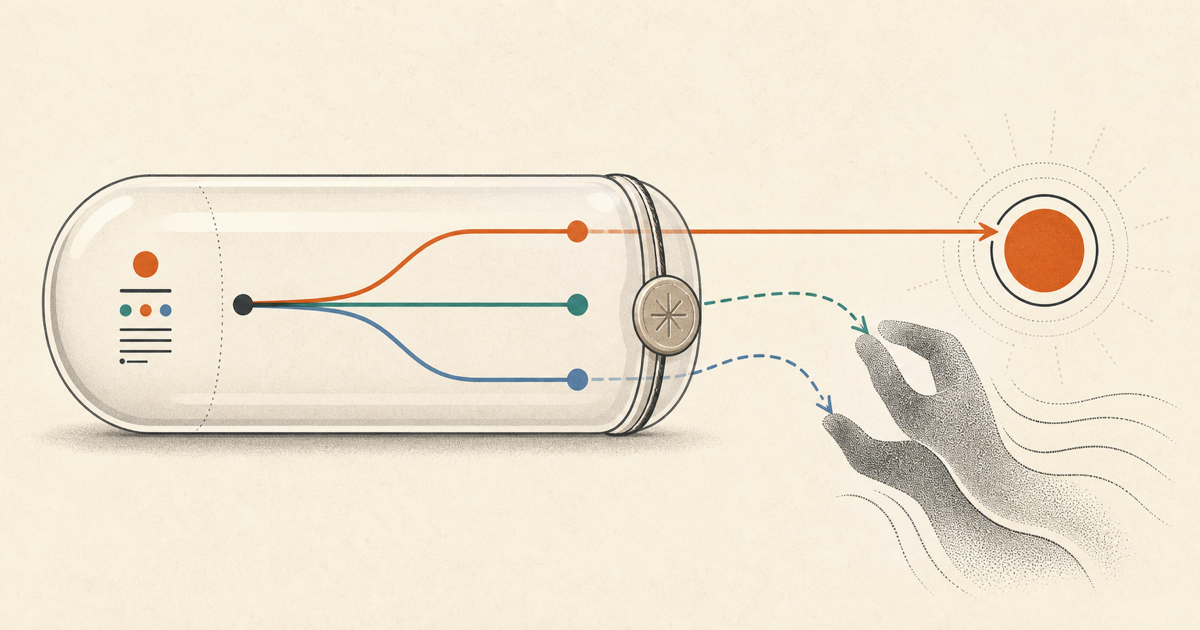
Once you start explaining it, you naturally compress and organize. That is useful for conversation. It is risky for memory if the clean summary starts replacing the raw experience.
That is why retelling a story can change memory.
Visual and emotional details are especially vulnerable
Words are great at themes and meanings. They are less precise at preserving fine-grained perception.
If you describe:
- a face
- a room
- a tone shift
- a short but emotionally loaded exchange
you may accidentally privilege the verbal version over the perceptual one. Later, you remember the phrasing you used, not only the event you saw.
This matters in everyday life too. Many conflicts become clearer after the story has been retold several times, not because the evidence improved, but because the narrative became smoother.
Process first, but split fact from story
The safest approach is not “do not talk.” It is “label what kind of talking this is.”
After an important event, use two passes:
Pass one: factual capture
- what happened
- what was said
- what you are sure about
- what you are not sure about
Pass two: interpretation
- what you think it means
- what upset you
- what pattern you suspect
- what you want to do next
This is especially useful after hard conversations or emotionally charged decisions.
Use voice carefully when the event is fresh
Voice notes are still valuable here because they preserve timing, uncertainty, and emotional texture better than a polished summary.
A good first note sounds like:
“He said the scope had already been approved. I do not know if that is true. I remember feeling embarrassed and then defensive. I need to check the email thread before I decide what happened.”
That version protects ambiguity instead of erasing it.
It also pairs well with recording the prediction before the outcome, because you preserve what you thought before later edits make everything seem obvious.
Watch for story drift
Your later version is drifting if:
- certainty increases without new evidence
- the same neat phrase keeps appearing
- motives become clearer than facts
- the event keeps sounding more coherent than it felt
At that point, compare the polished story with the first capture.
The bottom line
Talking it through is useful. But words do not only reveal memory, they can reorganize it.
For important events, keep the first account close to the facts. Let storytelling and meaning-making come second, clearly labeled as second.
Questions people ask
Can talking about an event change how I remember it?
Yes. Verbalizing can help preserve an event, but the words and framing you choose can also bias what becomes easiest to recall later.
What is verbal overshadowing?
Verbal overshadowing is the finding that putting some visual or complex experiences into words can impair later memory for the original experience.
Should I avoid talking after something important happens?
No. It usually helps to process. The safer move is to separate factual capture from later interpretation or storytelling.