Why Giving a Compliment Feels Riskier Than It Is
Compliment givers overestimated awkwardness and underestimated recipients' enjoyment. A specific, sincere observation is a useful place to start.

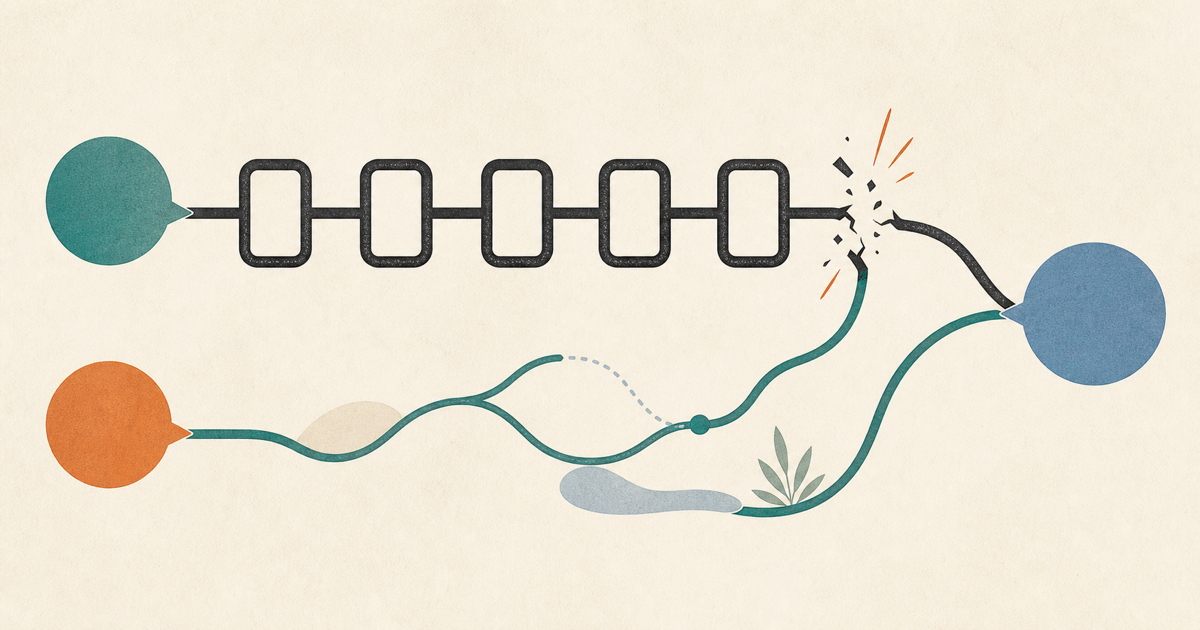
Giving a compliment can feel awkward because you’re predicting how the other person will judge your delivery. Experiments suggest those predictions can be too pessimistic: people receiving compliments often enjoyed them more and felt less uncomfortable than the givers expected. For a sincere, appropriate compliment, your hesitation may overstate the social risk.
You notice a colleague made a difficult explanation easy to follow. Then you spend the walk back to your desk deciding whether saying so would sound strange, and the compliment never leaves your head.
Givers and receivers rated the same interaction differently
In five studies by Erica Boothby and Vanessa Bohns, compliment givers underestimated the positive impact on recipients. They also overestimated how bothered or uncomfortable recipients would feel. Some of the misjudgment remained even after the interaction.
A separate series of experiments by Xuan Zhao and Nicholas Epley found a similar prediction gap. Expressers underestimated how positively their compliments would be received, including how competent and warm they would seem. Directing attention toward the warmth of the compliment increased interest in expressing it.
These results don’t mean every recipient wants every kind of praise, or that an unwanted personal comment becomes acceptable because you intended it kindly. Content, context, and the relationship still matter.
Make the observation easy to recognize
A useful starting point is something specific and true. Compare “You’re amazing at everything” with “When you summarized the disagreement, I finally understood what each team needed.” The second sentence tells the person what you appreciated without making a sweeping claim about them.
Other examples:
- “You made space for the quieter people in that meeting. I appreciated that.”
- “The last paragraph of your story stayed with me on the train home.”
- “You remembered the detail I mentioned last week. That meant a lot.”
These are suggested examples, not experimentally validated formulas. Use your own words and choose something the person would reasonably welcome. At work, an observation about the work is often a more suitable choice than a comment about someone’s body or appearance.
- An exaggerated claim
- A long apology for saying it
- A request for reassurance or praise back
- Something you actually noticed
- A brief account of its effect
- Room for any natural response
Skip the apology before the kind sentence
“This is going to sound weird, and I’m terrible at saying things like this” asks the listener to handle your anxiety before hearing the appreciation. Try removing the preface when the compliment itself is ordinary and appropriate.
You can say a draft privately before sending a message if you’re stuck. Read the transcript or listen once, keep the sentence that names what you noticed, and stop editing. The purpose is to find your wording, not to eliminate every possible awkward interpretation.
That is the same practical boundary behind avoiding endless rehearsal. After a few versions, you may be rehearsing your fear of the response rather than improving the compliment.
Let the response belong to them
Someone may say thanks, smile, change the subject, or look surprised. You don’t need to follow up with “Did that sound stupid?” or explain the compliment again until you get a larger reaction.
If the response is clearly uncomfortable, respect it. A group average is no reason to insist that a particular person must have enjoyed the exchange. Likewise, a brief thank-you is not evidence that your words failed.
When you notice an appreciation worth expressing, write down the actual observation before you polish it into something less personal. “Your explanation helped me understand” is already a complete and useful thing to say.
Questions people ask
Why do I feel awkward giving compliments?
You may be predicting how your wording will be judged. Experiments found that compliment givers expected more discomfort and less enjoyment than recipients reported. That pattern does not guarantee every compliment will be welcome.
How can I give a compliment without sounding fake?
Name something you actually noticed and, when relevant, what it did for you. For example: 'Your explanation of the timeline made the decision much easier to follow.' Avoid praise you don't mean.
Should I explain that I am bad at giving compliments?
You usually don't need that preface. Say the observation plainly and let the person respond without asking them to reassure you about your delivery.