Why Confident People Sound Right When They're Wrong
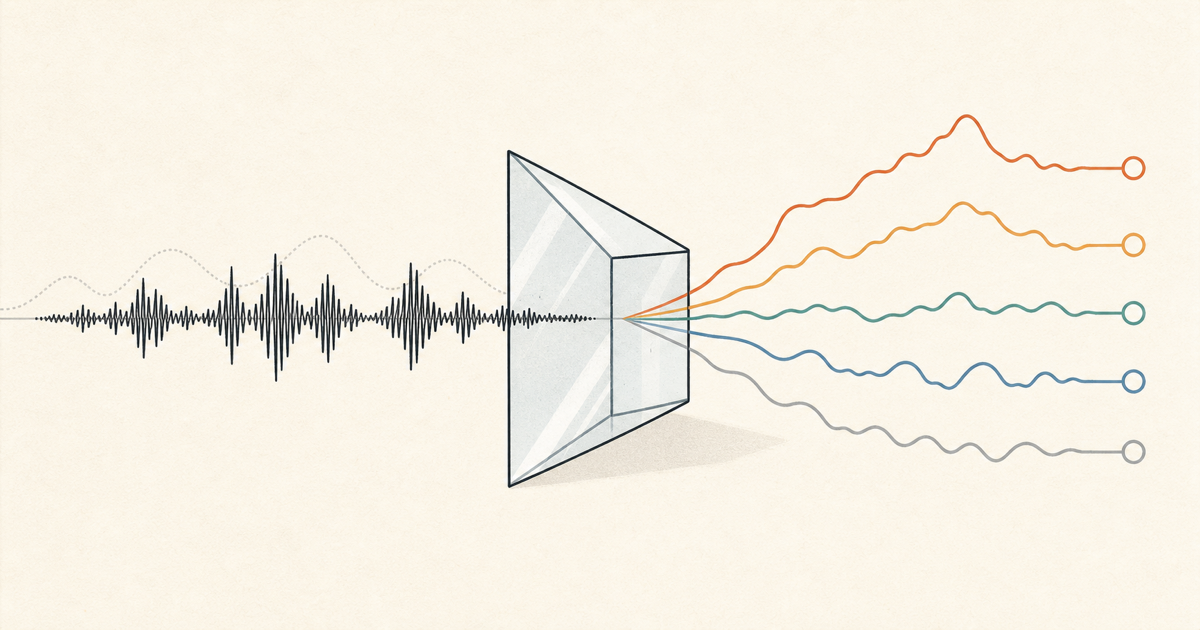
Fast, fluent, louder speech can sound confident and persuasive. Those cues sometimes track retrieval ease, but they cannot verify a claim.
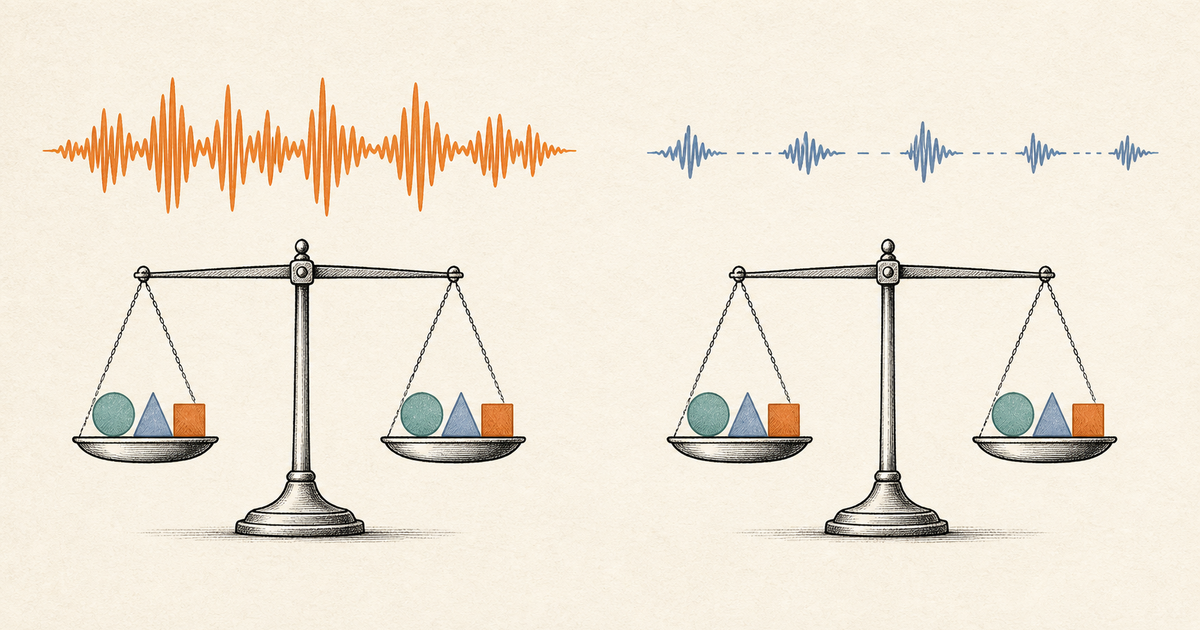
Confident people sound right because listeners use fluency, speed, loudness, and pauses as shortcuts for certainty. Those cues affect persuasion before anyone checks the underlying claim.
Sometimes confidence carries information. Easy retrieval can produce faster, smoother speech when a memory is strong. The relationship is too noisy and context-dependent to treat delivery as a truth detector. A forceful wrong answer can still borrow the sound of certainty.
What confidence sounds like
Vocal confidence does not have one universal pitch. Research is more consistent on three other features:
- faster speech
- fewer or shorter pauses
- greater loudness
A study of vocal confidence and persuasion manipulated speech rate, pitch, and intonation. The results showed both a direct bias toward confident-sounding speech and a cue effect, where delivery influenced how listeners processed the argument.
Listeners are not foolish for using these cues. In ordinary conversation, a smooth answer often means the speaker retrieved it easily and has said it before. The error is upgrading that useful hint into proof.
Confidence and accuracy can travel together
A 2025 study analyzed 3,344 eyewitness statements. Correct answers in that specific task were spoken faster, with fewer pauses and greater amplitude. Listeners judging audio clips performed slightly better than chance at identifying accurate statements.
Overall judgment accuracy was only about 55 percent. Listeners showed a bias toward believing statements, and the researchers warned that verbal content deserves more weight than vocal characteristics.
So the signal was real but weak. It came from a controlled eyewitness-memory task, not politics, meetings, relationships, medical claims, or business forecasts.
Rehearsal can manufacture retrieval ease
A false claim can sound fluent because the speaker has repeated it. A sales pitch can sound certain because it has been practiced fifty times. A true but newly formed concern can sound hesitant because the speaker is choosing words carefully.
That creates an unfair contest:
| Speaker | Delivery | What it may mean |
|---|---|---|
| Rehearsed and wrong | Fast, smooth, certain | The script is familiar |
| Careful and correct | Pauses, qualifiers, revisions | The speaker is preserving accuracy |
| Anxious but informed | Quiet, uneven, compressed | Social pressure is changing delivery |
| Confident and correct | Fluent and specific | Retrieval is easy and evidence may be strong |
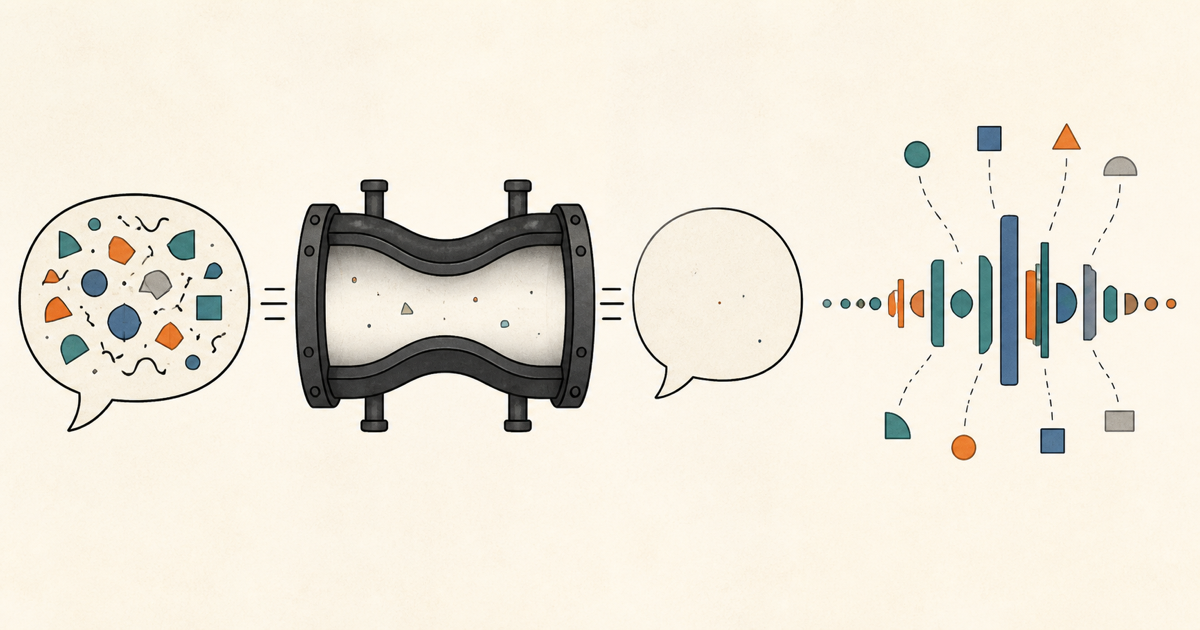
The same vocal pattern supports several explanations. This is why an AI system should not infer truth, competence, or honesty from the signals discussed in voice-emotion analysis.
Remove the voice and inspect the claim
When a confident answer is pulling you along, write one sentence:
“The factual claim is…”
Then ask:
- What evidence would make this claim true?
- Did the speaker provide that evidence?
- Which words express certainty beyond the evidence?
- What would a reasonable alternative explanation be?
This strips away pace and volume long enough to inspect the proposition. You can add the delivery context back afterward.
The reverse test helps too. If you sounded hesitant during a hard exchange, separate the quality of the claim from the quality of the performance. Social pressure can delay retrieval, which is one reason the useful reply arrives later.
Record confidence beside evidence
In a voice journal, make two statements:
“My confidence in this is 80 percent.”
“The evidence I have is…”
Review both after the outcome. Over time, you can learn whether your vocal certainty is calibrated in this domain. You may be well calibrated about familiar work and overconfident about other people’s motives. One global label would hide that difference.
If you are preparing for a difficult conversation, rehearse questions and boundaries without polishing uncertainty out of the message. “I am not sure yet” can be the most accurate sentence in the room.
Let confidence be one feature
Vocal confidence can signal retrieval ease, preparation, status, personality, culture, or comfort with the setting. Accuracy is one possible cause among several.
Listen to the delivery, then verify the claim. A strong voice should earn attention, not automatic agreement.
Questions people ask
Why do confident people sound more believable?
Listeners use cues such as speech rate, loudness, and pauses to judge confidence. Those cues make a claim easier to accept even before its evidence has been checked.
Does a confident voice mean someone is correct?
No. Confidence can correlate with retrieval ease in narrow settings, but listener accuracy is modest and context matters. Vocal delivery cannot establish whether a claim is true.
How can I stop confusing confidence with accuracy?
Write down the claim without delivery cues, ask what evidence would verify it, and record your own confidence separately from the facts supporting it.