Why Does a Transcript Feel Different From Audio?
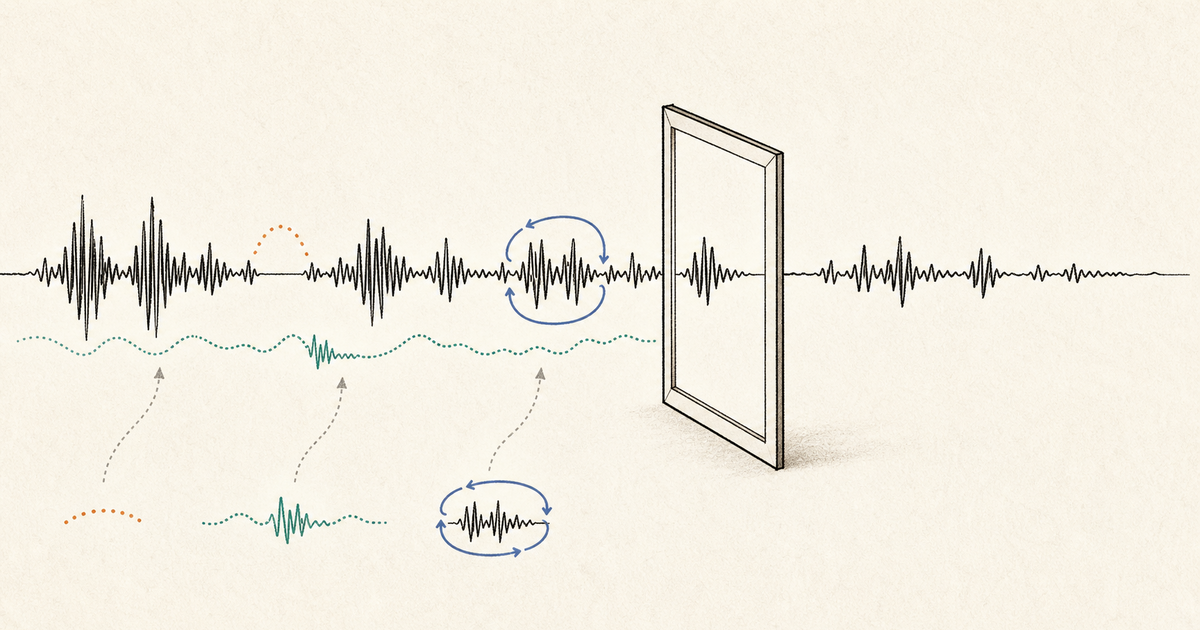
A transcript keeps the words but loses prosody, pacing, and vocal texture. That can change how harsh, warm, certain, or confused you seem.

A transcript feels different from audio because it keeps the words while stripping out prosody, timing, emphasis, and vocal texture. Those missing cues change how certainty, warmth, confusion, and distress are perceived.
So if a sentence feels sharper, colder, or more certain on the page than it did in your headphones, that does not automatically mean one version is false. It means each version is carrying different information.
Tone is part of meaning
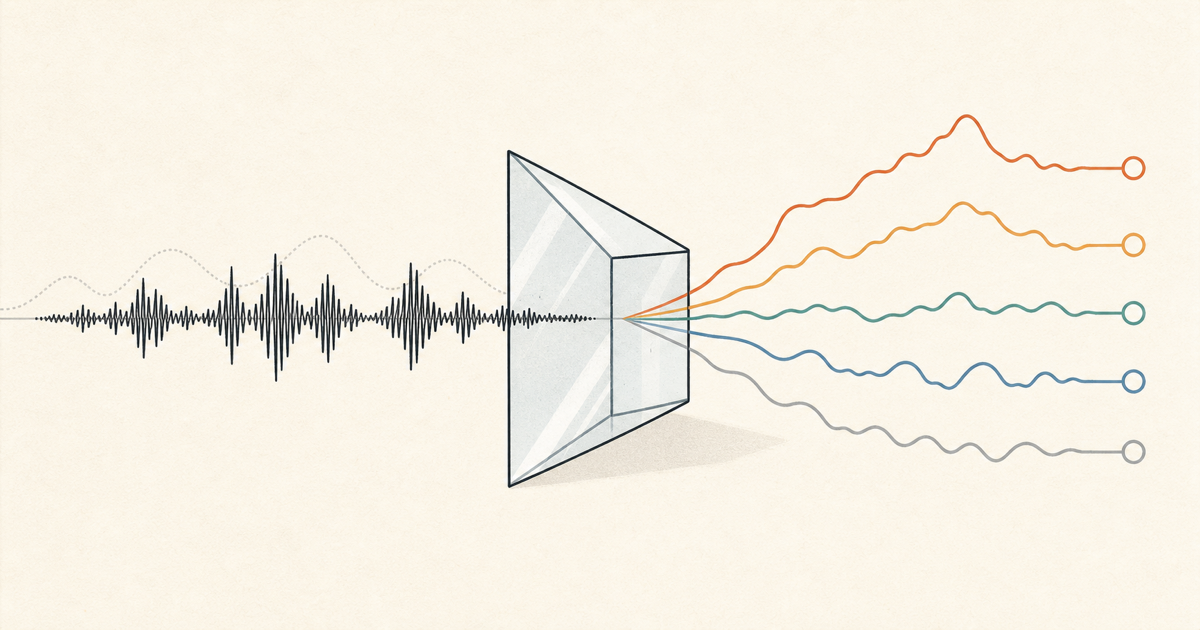
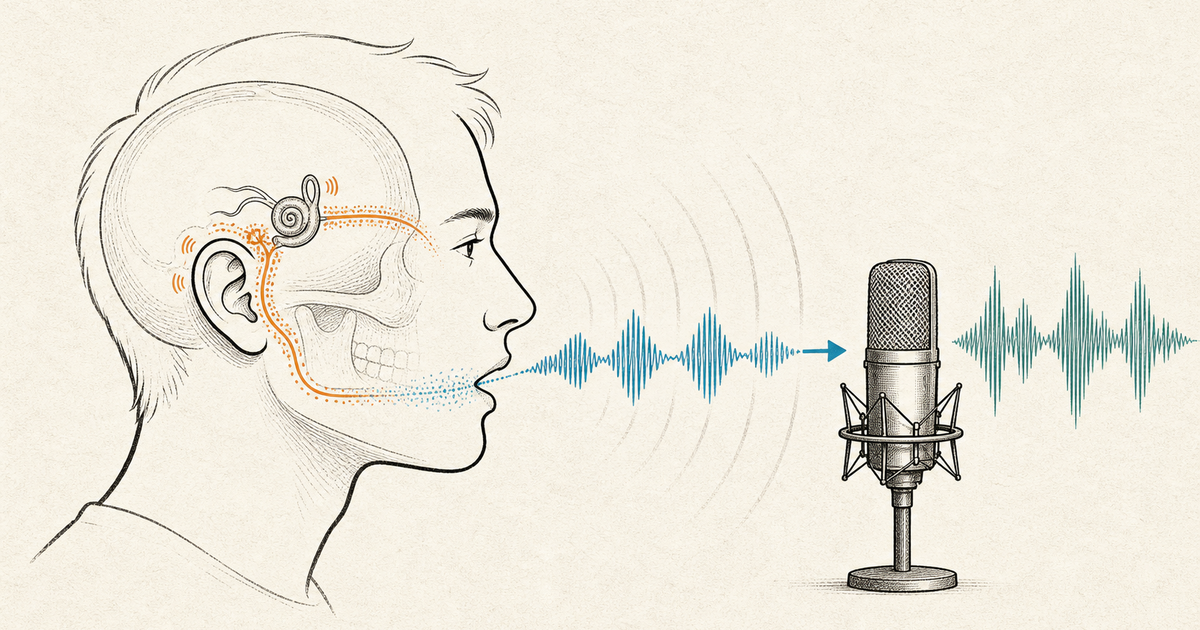
Speech does not communicate with words alone. It also communicates through pitch movement, intensity, timing, and rhythm.
Research on emotional prosody and semantics found that listeners could not fully separate the emotional tone of speech from its semantic content, and that prosodic information often carried more weight than the literal words.
That matters for transcripts because the transcript keeps the semantic channel and drops most of the prosodic one.
A flat sentence can hide a very different state
Compare these two experiences:
- audio: shaky pace, long pause, quiet voice, “I am fine”
- transcript: “I am fine”
The words are identical. The state is not.
Studies on what people hear in emotional speech prosody show that listeners infer not just emotion labels, but situations, intentions, and self-regulatory states from vocal delivery. Remove the delivery and you narrow the evidence.
That is also why AI summaries can leave something important out. They usually sit one step farther away from the original signal.
Transcripts can also look harsher than the recording felt
When you listen, you may hear:
- hesitation
- self-correction
- softness
- uncertainty
When you read, you may only see the blunt clause.
This is especially common in conflict, stress, or hurried speech. The transcript can make a messy human moment look more deliberate than it sounded.
That does not mean transcripts are bad. It means they are better for some tasks than others.
Use each format for a different job
Audio is better for:
- emotional state
- pace and pressure
- emphasis
- hearing where something changed
Transcript is better for:
- search
- exact wording
- comparing recurring phrases
- linking one entry to another
That is why search by feeling rather than exact word matters. A good journal system should let the transcript stay useful without pretending it captured every part of the moment.
Read the page with some humility
If you are reviewing a hard entry, ask:
- What does the transcript show clearly?
- What could only the audio answer?
- Am I treating stripped-down words as the whole event?
This applies to your own notes and to other people’s messages too. Text alone can overstate certainty, flatten regret, or erase gentleness that was obvious in voice.
The transcript is not the enemy. It is a powerful partial record. Use it like one.
Questions people ask
Why do my words look harsher in a transcript than they sounded?
A transcript preserves wording but drops prosody, pacing, and vocal softness that helped listeners interpret the original tone.
Is the transcript wrong if it feels different?
Not necessarily. It is accurate for the words, but it is incomplete for tone and delivery.
Should I trust audio or transcript more?
Use each for a different job. Audio preserves delivery and state. Transcript is better for search, quotes, and pattern review.