Why Does the Right Word Show Up Later?
The right word often shows up later because meaning can stay active while sound retrieval lags. A brief cue search works better than grinding.

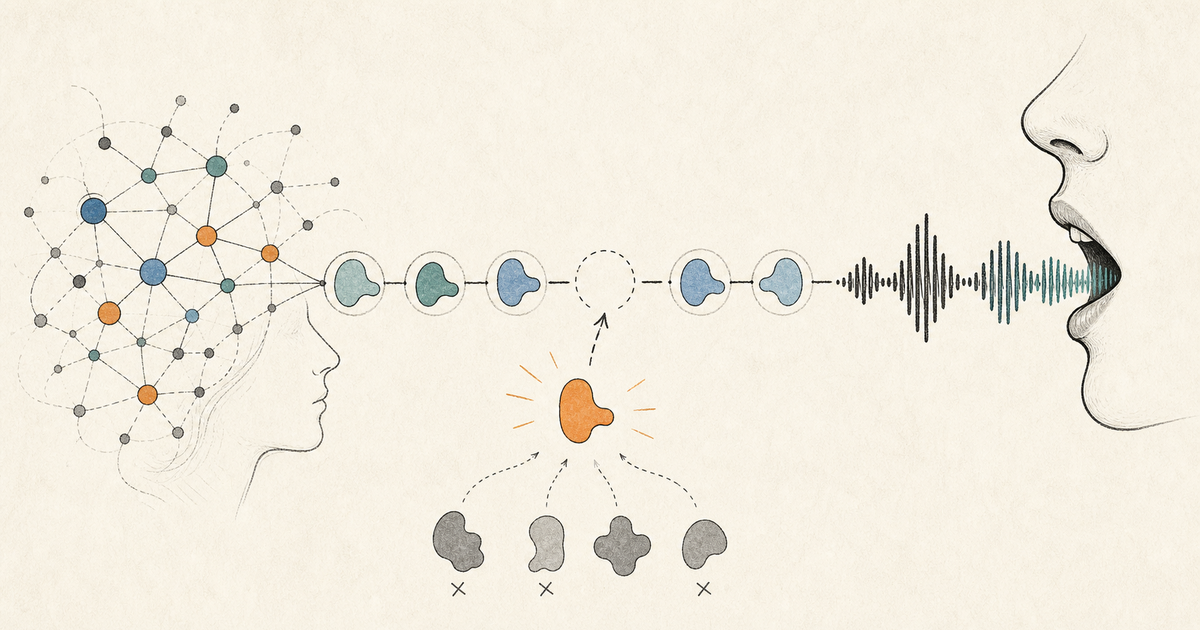
The right word often shows up later because knowing the idea and retrieving the sound are not the same thing. You can keep the concept active while the phonological form lags behind, then recover it after the immediate pressure is gone.
That delayed arrival feels mysterious, but it is a normal retrieval pattern. The useful move is not to force the word forever. It is to support retrieval briefly, then keep the idea moving.
You can lose the label without losing the meaning
A tip-of-the-tongue state is a partial-access state. You may know the category, the definition, the rhythm, or the first sound, but still fail to say the word.
Research on the tip-of-the-tongue phenomenon shows that retrieval effort and successful retrieval can split apart in time. The effort is real even when the answer is not available yet.
That is why the feeling is so specific. “I know it” is often accurate. You just do not have the full spoken form at that moment.
Later retrieval is not random luck
Not every missing word returns, but some do because partial activation stays alive. Studies of tip-of-the-tongue phenomenology found that stronger, more imminent TOT states were more likely to resolve later.
That means the delayed word is not pure magic. In some cases, your system was already close.
The mistake is assuming closeness means you should keep straining for ten straight minutes.
Use sound cues, then stop
If the word stalls, try a short sequence:
- Define it.
- Name the category.
- Guess the first sound or syllable.
- Move on if it still does not come.
This works because some cues are more useful than others. In experiments on TOT resolution, first-syllable primes helped more than first-letter cues.
“It starts with S” may not help much. A fuller sound shape often helps more.
The pressure of the moment blocks more than the word
Social pressure adds extra load. You are not only retrieving the word. You are managing timing, impression, and response flow.
That is one reason the best wording often arrives after the exchange is over. If that pattern feels familiar, it overlaps with why the perfect reply arrives too late. Once the live social demand drops, retrieval has more room.
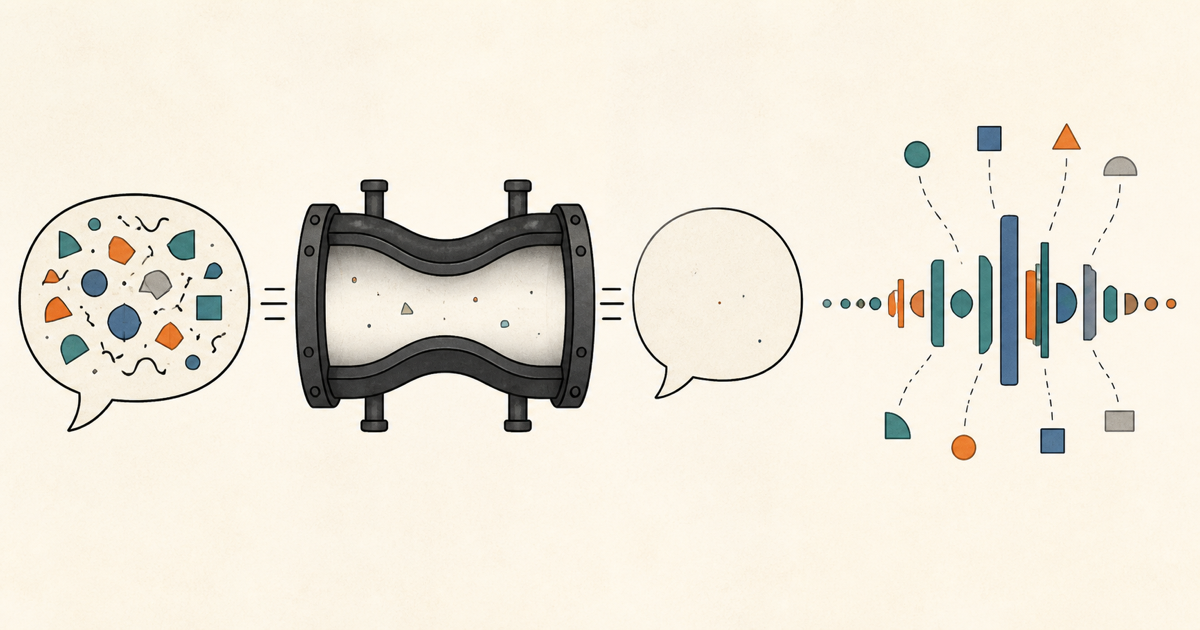
This is also why losing one word can make you lose the whole sentence. The label was doing structural work inside the thought.
Let the placeholder protect the idea
If the word does not come, keep the idea alive:
- “The word is missing, but I mean…”
- “I cannot name it yet, but the point is…”
- “It is the feeling when…”
That is often better than stopping the whole entry. A searchable voice note or transcript can preserve the concept until the exact label arrives.
This is the practical advantage of voice notes after the fact and word-retrieval-friendly journaling. The insight does not need to wait for perfect wording.
The right word arriving later does not mean you were blank. It usually means the idea was there before the label was ready.
Questions people ask
Why does a word come to me later after I stop trying?
Meaning can remain active even when the full sound pattern is unavailable. Once pressure drops, the retrieval path can resolve later.
Should I keep pushing until the word comes back?
Brief targeted cues help. Long grinding usually adds frustration without adding enough structure to retrieve the word.
What works better than forcing recall?
State the meaning, try likely first sounds or syllables, then move on and leave a placeholder if the word still will not come.